
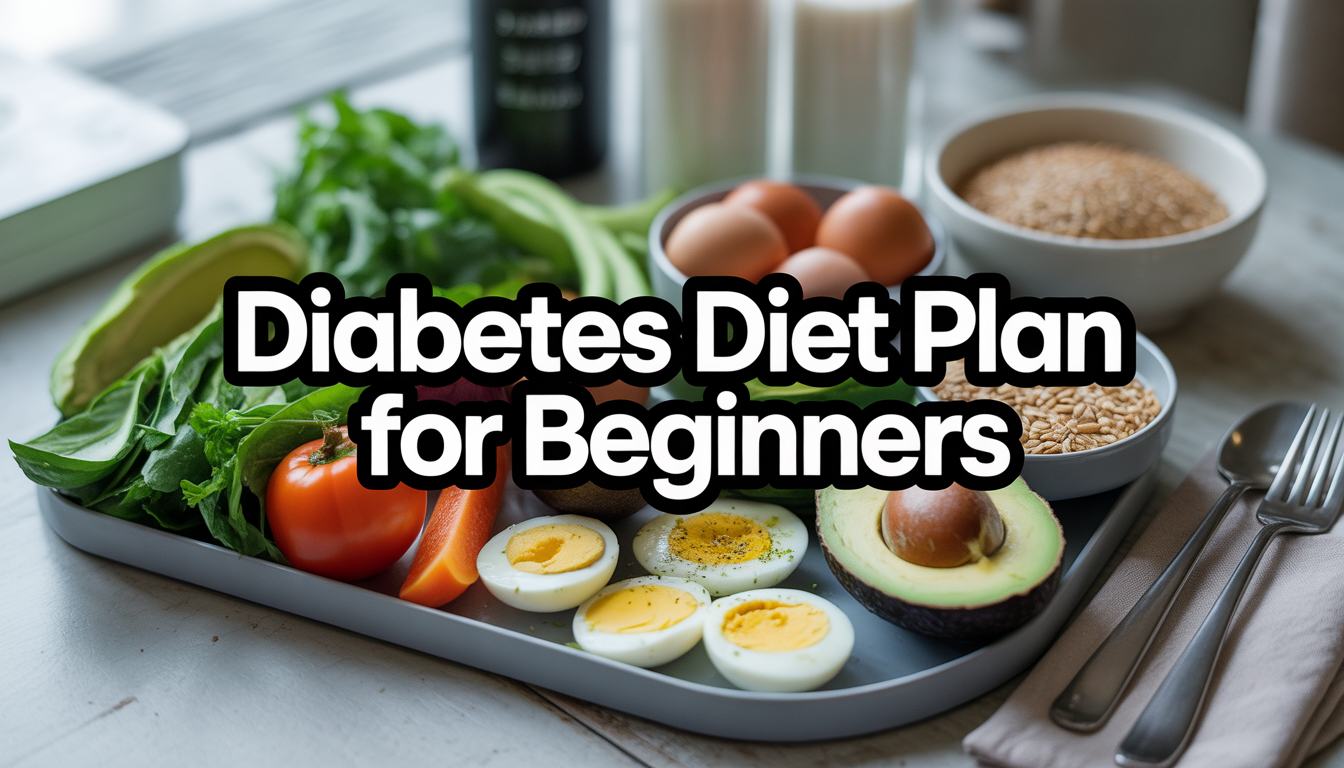
New to diabetes? Discover a simple Diabetes Diet Plan, foods to eat, and what to avoid for better blood sugar control in 2026.
Discover a complete diabetes diet plan for beginners. Learn what to eat, what to avoid, and a full-day meal plan to control blood sugar naturally.
Introduction
Managing diabetes or high blood sugar starts with one of the most important factors — your daily diet.
What you eat directly affects your glucose levels, energy, mood, and long-term health. Many people struggle not because they lack discipline, but because they simply don’t know what to eat and what to avoid.
A proper diabetes diet plan is not about starving yourself or cutting out all your favorite foods. It’s about making smarter choices, balancing nutrients, and following a sustainable routine.
“If you want faster results,
In this complete guide, you’ll learn:
- What a diabetes diet plan really means
- Foods you should eat daily
- Foods you must avoid
- A complete beginner-friendly meal plan
- Practical tips to keep your blood sugar stable
Foods That Spike Blood Sugar (Complete List You Must Avoid in 2026)
Best Blood Sugar Supplements (Top 3 Compared – Which One Works Best?)
What is a Diabetes Diet Plan?
A diabetes diet plan is a structured way of eating that helps maintain stable blood sugar levels throughout the day.
It focuses on:
- Low glycemic index foods
- Balanced nutrition (protein, fiber, healthy fats)
- Controlled carbohydrate intake
The goal is simple — avoid sudden spikes and crashes in blood sugar.
“Some people also combine a structured diet with supplements like InsuLeaf or Gluco6 for better results.”
“Many people struggling with unstable blood sugar are now using InsuLeaf to support better glucose control. You can check the official website here.”
Foods You Should Eat (Best Choices)
1. Vegetables (Non-Starchy)
Vegetables like spinach, broccoli, cucumber, and cabbage are excellent for blood sugar control.
They are low in calories, high in fiber, and help slow down sugar absorption.
2. Protein-Rich Foods
Protein plays a key role in stabilizing blood sugar.
Good sources include eggs, chicken, fish, tofu, and legumes.
Protein helps reduce hunger and prevents spikes after meals.
3. Healthy Fats
Healthy fats like avocado, olive oil, and nuts support metabolism and improve insulin sensitivity.
They also help you feel full for longer.
4. Low Glycemic Fruits
Fruits like apples, berries, and pears release sugar slowly into the bloodstream.
They are safe when eaten in controlled portions.
5. Whole Grains
Brown rice, oats, quinoa, and whole wheat are better alternatives to refined grains.
They contain fiber that slows digestion.
Foods to Avoid (Very Important)
Refined Carbohydrates
White bread, white rice, and processed flour products cause rapid blood sugar spikes.
Sugary Drinks
Soft drinks, juices, and energy drinks contain high sugar and no fiber.
Processed Foods
Chips, cookies, and packaged snacks are loaded with unhealthy ingredients.
Sweets and Desserts
Candy, cakes, and sugary treats should be limited as much as possible.
The Importance of Portion Control
Even healthy foods can increase blood sugar if consumed in large quantities.
Portion control helps maintain balance and prevents unnecessary spikes.
Full-Day Diabetes Diet Plan (Beginner Friendly)
Morning (Breakfast)
- 2 boiled eggs
- 1 slice whole grain toast
- Green tea or black coffee
Mid-Morning Snack
- Handful of almonds or walnuts
- 1 apple
Lunch
- Grilled chicken or paneer
- Brown rice or roti
- Mixed vegetable salad
Evening Snack
- Roasted chickpeas or peanuts
- Herbal tea
Dinner
- Light meal (vegetables + protein)
- Avoid heavy carbs
Smart Eating Rules
- Never skip meals
- Avoid eating late at night
- Combine carbs with protein
- Stay hydrated
Common Mistakes to Avoid
Many beginners make mistakes like:
- Skipping meals
- Eating “healthy” but high-sugar foods
- Not checking portion size
Supporting Your Diet (Optional Strategy)
Even with a perfect diabetes diet plan, some people still struggle due to internal factors like insulin resistance.
In such cases, many individuals include additional support options like InsuLeaf, Gluco6, or GlucoBerry alongside their diet.
These are commonly used to support glucose metabolism and improve overall balance.
Real-Life Example
A beginner who followed a structured diet plan saw improvements within weeks:
- Stable energy
- Reduced cravings
- Better glucose control
How to Customize a Diabetes Diet Plan for Your Lifestyle
A common mistake many beginners make is trying to follow a fixed diet plan without adjusting it to their daily routine. The truth is, the best diabetes diet plan is one that fits your lifestyle and is easy to follow consistently.
For example, if you have a busy schedule, you may not be able to cook multiple meals throughout the day. In that case, preparing meals in advance or choosing simple food options like boiled eggs, nuts, and salads can help you stay on track.
Similarly, if you are someone who prefers vegetarian meals, you can still follow an effective diabetes diet plan by including protein-rich options like lentils, paneer, tofu, and chickpeas.
The key is not perfection — it’s consistency.
Importance of Meal Timing in Diabetes Diet Plan
Meal timing plays a crucial role in controlling blood sugar levels.
Eating meals at regular intervals helps prevent sudden spikes and crashes. Skipping meals can lead to overeating later, which can negatively impact glucose control.
A simple rule you can follow:
- Eat every 3–4 hours
- Avoid long gaps between meals
- Don’t skip breakfast
This approach keeps your metabolism active and supports stable energy levels throughout the day.
Why Physical Activity Complements Your Diet
A proper diabetes diet plan works best when combined with regular physical activity.
Exercise helps your muscles use glucose more efficiently, which reduces blood sugar levels naturally.
You don’t need intense workouts. Even simple activities like:
- Walking for 15–20 minutes
- Light stretching
- Basic home exercises
can make a significant difference.
“If you’re still struggling, you can explore the best blood sugar supplements here.”
Combining Diet with Smart Support
While following a structured diabetes diet plan, some individuals still experience fluctuations due to underlying factors like insulin resistance or slow metabolism.
In such cases, many people choose to combine their diet with additional support options like InsuLeaf, Gluco6, or GlucoBerry.
These are commonly used alongside lifestyle changes to support better glucose control and improve overall metabolic health.
FAQ Section
What is the best diet for diabetes?
A balanced diet with low GI foods, protein, and healthy fats.
Can I eat rice?
Yes, but in controlled portions and preferably brown rice.
How many meals should I eat?
3 main meals + 1–2 snacks work best.
Final Conclusion
A proper diabetes diet plan is not about restriction — it’s about smart choices.
By focusing on the right foods, controlling portions, and maintaining consistency, you can significantly improve your blood sugar levels and overall health.
“If you’re struggling despite following a diet, you can explore additional support options used by many people.”