

Diabetes Diet Plan for Beginners (What to Eat, What to Avoid & Full Day Meal Plan)

diabetes diet plan for beginners healthy meal

Discover a complete diabetes diet plan for beginners. Learn what to eat, what to avoid, and a full-day meal plan to control blood sugar naturally.

Introduction

Managing diabetes or high blood sugar starts with one of the most important factors — your daily diet.

What you eat directly affects your glucose levels, energy, mood, and long-term health. Many people struggle not because they lack discipline, but because they simply don’t know what to eat and what to avoid.

A proper diabetes diet plan is not about starving yourself or cutting out all your favorite foods. It’s about making smarter choices, balancing nutrients, and following a sustainable routine.

In this complete guide, you’ll learn:

  • What a diabetes diet plan really means
  • Foods you should eat daily
  • Foods you must avoid
  • A complete beginner-friendly meal plan
  • Practical tips to keep your blood sugar stable

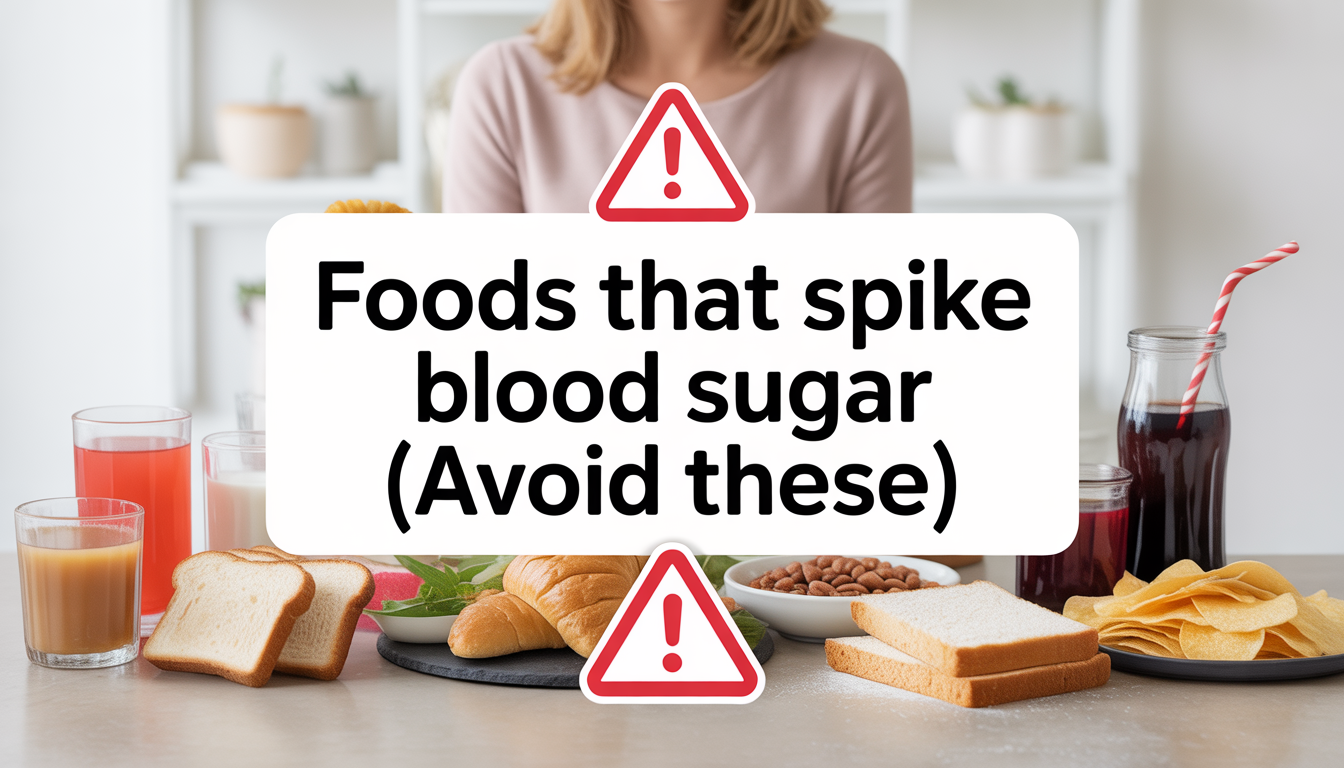
Foods That Spike Blood Sugar (Complete List You Must Avoid in 2026)

Best Blood Sugar Supplements (Top 3 Compared – Which One Works Best?)

What is a Diabetes Diet Plan?

A diabetes diet plan is a structured way of eating that helps maintain stable blood sugar levels throughout the day.

It focuses on:

  • Low glycemic index foods
  • Balanced nutrition (protein, fiber, healthy fats)
  • Controlled carbohydrate intake

The goal is simple — avoid sudden spikes and crashes in blood sugar.

“Some people also combine a structured diet with supplements like InsuLeaf or Gluco6 for better results.”


“Many people struggling with unstable blood sugar are now using InsuLeaf to support better glucose control. You can check the official website here.”

Foods You Should Eat (Best Choices)

1. Vegetables (Non-Starchy)

Vegetables like spinach, broccoli, cucumber, and cabbage are excellent for blood sugar control.

They are low in calories, high in fiber, and help slow down sugar absorption.

2. Protein-Rich Foods

Protein plays a key role in stabilizing blood sugar.

Good sources include eggs, chicken, fish, tofu, and legumes.

Protein helps reduce hunger and prevents spikes after meals.

3. Healthy Fats

Healthy fats like avocado, olive oil, and nuts support metabolism and improve insulin sensitivity.

They also help you feel full for longer.

4. Low Glycemic Fruits

Fruits like apples, berries, and pears release sugar slowly into the bloodstream.

They are safe when eaten in controlled portions.

5. Whole Grains

Brown rice, oats, quinoa, and whole wheat are better alternatives to refined grains.

They contain fiber that slows digestion.

Foods to Avoid (Very Important)

Refined Carbohydrates

White bread, white rice, and processed flour products cause rapid blood sugar spikes.

Sugary Drinks

Soft drinks, juices, and energy drinks contain high sugar and no fiber.

Processed Foods

Chips, cookies, and packaged snacks are loaded with unhealthy ingredients.

Sweets and Desserts

Candy, cakes, and sugary treats should be limited as much as possible.

The Importance of Portion Control

Even healthy foods can increase blood sugar if consumed in large quantities.

Portion control helps maintain balance and prevents unnecessary spikes.

Full-Day Diabetes Diet Plan (Beginner Friendly)

Morning (Breakfast)

  • 2 boiled eggs
  • 1 slice whole grain toast
  • Green tea or black coffee

Mid-Morning Snack

  • Handful of almonds or walnuts
  • 1 apple

Lunch

  • Grilled chicken or paneer
  • Brown rice or roti
  • Mixed vegetable salad

Evening Snack

  • Roasted chickpeas or peanuts
  • Herbal tea

Dinner

  • Light meal (vegetables + protein)
  • Avoid heavy carbs

Smart Eating Rules

  • Never skip meals
  • Avoid eating late at night
  • Combine carbs with protein
  • Stay hydrated

Common Mistakes to Avoid

Many beginners make mistakes like:

  • Skipping meals
  • Eating “healthy” but high-sugar foods
  • Not checking portion size

Supporting Your Diet (Optional Strategy)

Even with a perfect diabetes diet plan, some people still struggle due to internal factors like insulin resistance.

In such cases, many individuals include additional support options like InsuLeaf, Gluco6, or GlucoBerry alongside their diet.

These are commonly used to support glucose metabolism and improve overall balance.

Real-Life Example

A beginner who followed a structured diet plan saw improvements within weeks:

  • Stable energy
  • Reduced cravings
  • Better glucose control

How to Customize a Diabetes Diet Plan for Your Lifestyle

A common mistake many beginners make is trying to follow a fixed diet plan without adjusting it to their daily routine. The truth is, the best diabetes diet plan is one that fits your lifestyle and is easy to follow consistently.

For example, if you have a busy schedule, you may not be able to cook multiple meals throughout the day. In that case, preparing meals in advance or choosing simple food options like boiled eggs, nuts, and salads can help you stay on track.

Similarly, if you are someone who prefers vegetarian meals, you can still follow an effective diabetes diet plan by including protein-rich options like lentils, paneer, tofu, and chickpeas.

The key is not perfection — it’s consistency.

Importance of Meal Timing in Diabetes Diet Plan

Meal timing plays a crucial role in controlling blood sugar levels.

Eating meals at regular intervals helps prevent sudden spikes and crashes. Skipping meals can lead to overeating later, which can negatively impact glucose control.

A simple rule you can follow:

  • Eat every 3–4 hours
  • Avoid long gaps between meals
  • Don’t skip breakfast

This approach keeps your metabolism active and supports stable energy levels throughout the day.

Why Physical Activity Complements Your Diet

A proper diabetes diet plan works best when combined with regular physical activity.

Exercise helps your muscles use glucose more efficiently, which reduces blood sugar levels naturally.

You don’t need intense workouts. Even simple activities like:

  • Walking for 15–20 minutes
  • Light stretching
  • Basic home exercises

can make a significant difference.


“If you’re still struggling, you can explore the best blood sugar supplements here.”

Combining Diet with Smart Support

While following a structured diabetes diet plan, some individuals still experience fluctuations due to underlying factors like insulin resistance or slow metabolism.

In such cases, many people choose to combine their diet with additional support options like InsuLeaf, Gluco6, or GlucoBerry.

These are commonly used alongside lifestyle changes to support better glucose control and improve overall metabolic health.

FAQ Section

What is the best diet for diabetes?

A balanced diet with low GI foods, protein, and healthy fats.

Can I eat rice?

Yes, but in controlled portions and preferably brown rice.

How many meals should I eat?

3 main meals + 1–2 snacks work best.

Final Conclusion

A proper diabetes diet plan is not about restriction — it’s about smart choices.

By focusing on the right foods, controlling portions, and maintaining consistency, you can significantly improve your blood sugar levels and overall health.

“If you’re struggling despite following a diet, you can explore additional support options used by many people.”
“Gluco6 Review: Does It Actually Work or Is It Overhyped?”

Foods That Spike Blood Sugar (Complete List You Must Avoid in 2026)

Discover the top foods that spike blood sugar levels instantly. Learn what to avoid, what to eat instead, and how to control glucose naturally with simple strategies.

Introduction

If you’re struggling with high blood sugar, constant fatigue, or sudden hunger cravings, the real problem may not be how much you eat — but what you eat daily.

Many people unknowingly consume foods that spike blood sugar levels, even while trying to eat “healthy.” These hidden mistakes can keep your glucose levels unstable, making it difficult to maintain energy, lose weight, or improve overall health.


If you’re still struggling, you can explore the best blood sugar supplements here.

The truth is simple: certain foods cause rapid spikes in blood sugar, followed by sharp crashes. This cycle not only drains your energy but also leads to long-term problems like insulin resistance, weight gain, and even type 2 diabetes.

In this complete guide, you’ll learn everything you need to know about foods that spike blood sugar, including what to avoid, what to replace them with, and how to build a smarter eating strategy that supports stable glucose levels.

Morning Routine for Blood Sugar Control (Simple Daily Plan That Works)

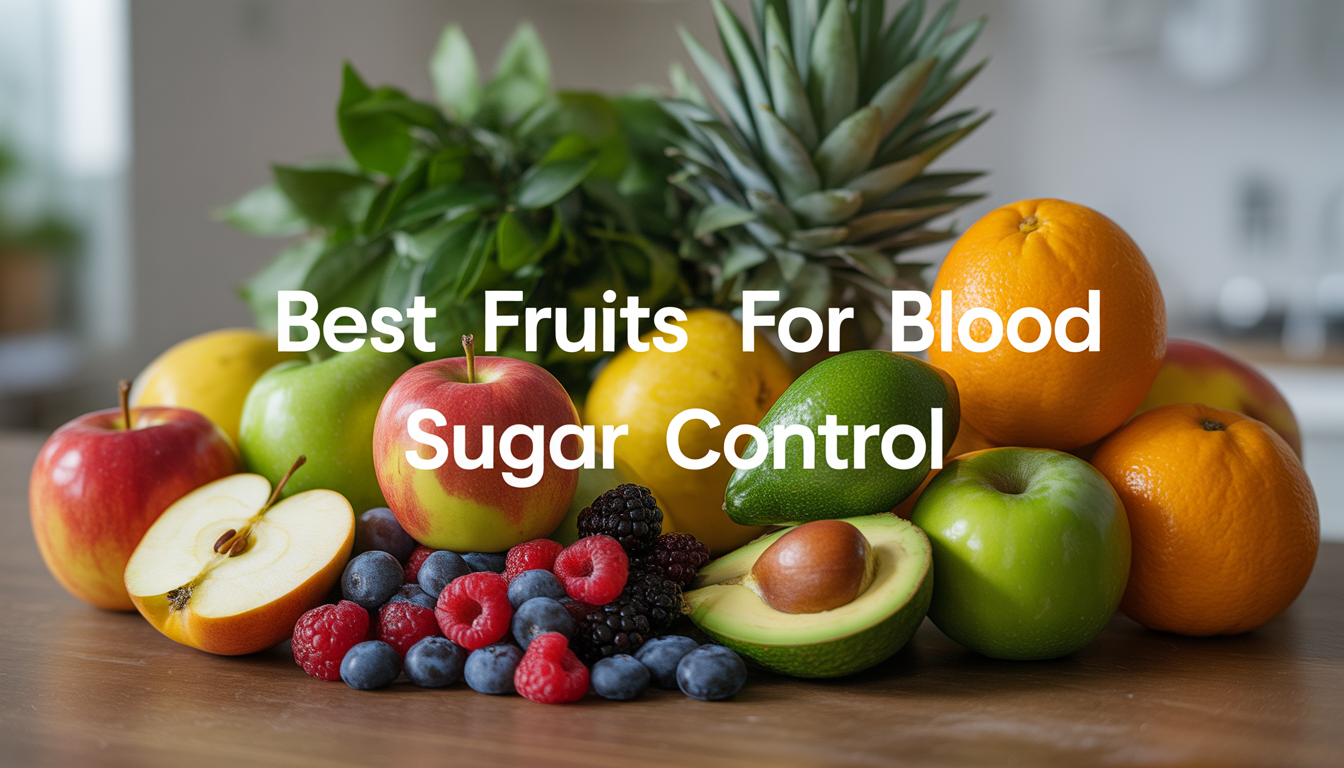
Best Fruits for Blood Sugar Control (What to Eat & Avoid in 2026)

What Happens Inside Your Body When Blood Sugar Spikes?

Whenever you eat food, your body breaks it down into glucose, which enters your bloodstream. This is normal and necessary for energy.

However, when you consume foods that spike blood sugar, this process becomes too fast.

Your blood sugar rises quickly. In response, your body releases a large amount of insulin to bring it down. This sudden drop leads to an energy crash, leaving you feeling tired, hungry, and craving more sugar.

Over time, repeated spikes can cause your body to become less responsive to insulin. This condition, known as insulin resistance, is one of the main reasons people struggle to control blood sugar despite making efforts to eat better.

Top Foods That Spike Blood Sugar (You Must Avoid)

1. White Bread and Refined Flour Products

White bread, pastries, and products made from refined flour are among the most common foods that spike blood sugar.

These foods are low in fiber and digest very quickly, causing a rapid increase in glucose levels.

Switching to whole grain or fiber-rich alternatives can significantly reduce this effect.

2. Sugary Drinks and Fruit Juices

Liquid sugar is one of the worst offenders.

Soft drinks, packaged juices, and even fresh fruit juice lack fiber and are absorbed almost instantly into the bloodstream.

This leads to one of the fastest blood sugar spikes you can experience.

Drinking water or eating whole fruits instead is a much better option.

3. White Rice

White rice is a staple in many diets, but it has a high glycemic index.

It breaks down quickly into glucose and can cause a noticeable spike in blood sugar levels.

If you enjoy rice, consider switching to brown rice, quinoa, or smaller portions combined with protein and fiber.

4. Sugary Breakfast Cereals

Many cereals marketed as “healthy” are loaded with sugar and refined carbohydrates.

Starting your day with these foods sets the stage for blood sugar spikes, followed by energy crashes and cravings.

A protein-rich breakfast is a much better way to start your day.

5. Bakery Items and Sweets

Cakes, cookies, donuts, and pastries are a dangerous combination of sugar and refined flour.

These foods provide little to no nutritional value while causing rapid glucose spikes.

6. Processed and Packaged Snacks

Chips, biscuits, and packaged snack foods often contain hidden sugars, refined carbs, and unhealthy fats.

These are classic examples of foods that spike blood sugar without providing any real benefits.

7. Overripe Fruits

Fruits are healthy, but when they become overripe, their sugar content increases.

Bananas, mangoes, and pineapples can cause spikes if consumed in excess or in overly ripe form.

8. Flavored Yogurt

Many flavored yogurts contain added sugars, making them more like desserts than health foods.

Choosing plain yogurt and adding fresh fruit is a better alternative.

9. Refined Pasta and Noodles

Refined pasta behaves similarly to white bread in your body.

It digests quickly and can raise blood sugar levels rapidly, especially when eaten in large portions.

10. Candy and Sugary Desserts

Candy is pure sugar with no fiber or nutrients to slow absorption.

This leads to immediate and significant spikes in blood sugar.


“Struggling With Blood Sugar? This InsuLeaf Review Might Surprise You”

Hidden Foods That Spike Blood Sugar (Most People Ignore)

Many people focus on obvious unhealthy foods but overlook hidden sources of sugar.

Smoothies, for example, may seem healthy but often contain multiple fruits blended together, resulting in a high sugar load.

Low-fat or “diet” products frequently contain added sugars to improve taste.

Granola bars, energy bars, and packaged health snacks are often loaded with hidden sugars and refined carbs.

Even sauces and condiments like ketchup and salad dressings can contribute to unexpected sugar intake.

The Blood Sugar Rollercoaster Cycle

Understanding this cycle is key to breaking it.

You eat a high-carb or sugary meal. Blood sugar rises quickly. Insulin is released to lower it. Blood sugar drops sharply. You feel hungry again and crave more sugar.

This pattern repeats throughout the day, making it difficult to maintain stable energy and control your appetite.

Smart Food Swaps for Better Blood Sugar Control

Instead of simply avoiding foods, focus on replacing them with better options.

Choose whole grain bread instead of white bread. Replace sugary drinks with water or herbal tea. Swap chips for nuts. Replace sugary cereals with oats or eggs.

These small changes can have a big impact on your blood sugar levels over time.

Practical Tips to Prevent Blood Sugar Spikes

Combining foods wisely is one of the most effective strategies. Always pair carbohydrates with protein and fiber to slow down digestion.

Portion control is also important. Even healthy foods can cause spikes if eaten in large amounts.

Staying active helps your body use glucose more efficiently. Even a short walk after meals can make a difference.

Avoiding late-night eating can also help, as your metabolism slows down in the evening.

When Diet Alone Is Not Enough

Even after removing foods that spike blood sugar, some people continue to experience fluctuations.

This can be due to insulin resistance, slow metabolism, stress, or hormonal imbalance.

In such cases, many people choose to include additional support alongside their diet.

Options like InsuLeaf, Gluco6, or GlucoBerry are commonly used to support better glucose control, improve insulin sensitivity, and reduce sugar spikes.

These are not replacements for a healthy lifestyle but can enhance your results when used correctly.

Real-Life Scenario

Consider someone who believes they are eating healthy but still feels tired and experiences sugar crashes.

After identifying hidden foods that spike blood sugar and making simple changes, their energy levels improve, cravings decrease, and blood sugar becomes more stable.

This shows that awareness and small adjustments can make a big difference.

Frequently Asked Questions

What food spikes blood sugar the fastest?

Sugary drinks and refined carbohydrates are among the fastest.

Is rice bad for blood sugar?

White rice can cause spikes, but portion control and healthier alternatives can help.

Can I still eat fruits?

Yes, but choose low glycemic fruits and control portions.

How can I prevent spikes after meals?

Combine carbs with protein, stay active, and avoid processed foods.

Final Conclusion

Understanding foods that spike blood sugar is one of the most important steps toward better health.

By avoiding harmful foods, choosing smarter alternatives, and following a balanced routine, you can maintain stable glucose levels and improve your overall well-being.

Consistency is the key. Small changes made daily lead to long-term results.

You can also read related article here

Best Blood Sugar Supplements (Top 3 Ranked for Fast Results)

Worst Foods That Spike Blood Sugar (Top 10 to Avoid in 2026)

Best Fruits for Blood Sugar Control (What to Eat & Avoid in 2026)

best fruits for blood sugar control

Discover the best fruits for blood sugar control and which ones to avoid. Learn how to eat fruits the right way to stabilize glucose levels and improve energy naturally.

Introduction

When it comes to controlling blood sugar, one of the most confusing questions people ask is:

“Can I eat fruits if I have high blood sugar?”

Some say fruits are healthy.
Others say fruits contain sugar and should be avoided.

So what’s the truth?

The reality is — not all fruits are created equal.

Some fruits can actually help stabilize your blood sugar, while others can cause sudden spikes that leave you feeling tired, hungry, and frustrated.

In this complete guide, you’ll discover:

  • The best fruits for blood sugar control
  • Fruits you should avoid or limit
  • How to eat fruits the right way
  • A simple strategy to balance glucose naturally

Best Blood Sugar Supplements (Top 3 Ranked for Fast Results)

How to Control Blood Sugar Naturally :-Proven Methods That Work Fast


“If you’re still struggling, you can explore the best blood sugar supplements here.”

Understanding How Fruits Affect Blood Sugar

Fruits contain natural sugar called fructose, along with fiber, vitamins, and antioxidants.

The key factor that determines whether a fruit is good or bad for blood sugar is:

👉 Glycemic Index (GI)

What is Glycemic Index?

It measures how quickly a food raises blood sugar levels.

  • Low GI (0–55) → Slow increase (GOOD )
  • Medium GI (56–69) → Moderate
  • High GI (70+) → Fast spike (BAD )

👉 Your goal is to focus on low GI fruits

Best Fruits for Blood Sugar Control

1. Apples

Apples are one of the best fruits for blood sugar control.

✔ High in fiber
✔ Slow sugar release
✔ Keeps you full longer

👉 Tip: Eat with peel for maximum benefit

2. Berries (Strawberries, Blueberries)

Berries are powerful because:

✔ Low sugar
✔ High antioxidants
✔ Improve insulin sensitivity

👉 Perfect snack for stable energy

3. Oranges

Despite being sweet, oranges:

✔ Have fiber
✔ Release sugar slowly

👉 Avoid juice — eat whole fruit only

4. Avocado (Best Fruit)

Technically a fruit, avocado is:

✔ Low carb
✔ High healthy fats
✔ No sugar spike

👉 One of the BEST foods for glucose control

5. Pears

✔ Rich in fiber
✔ Helps digestion
✔ Supports stable glucose

6. Kiwi

✔ Low GI
✔ High vitamin C
✔ Supports metabolism

Fruits to Avoid or Limit

1. Bananas (Ripe)

Ripe bananas:

❌ High sugar
❌ Quick spike

👉 If eating → choose slightly unripe

2. Pineapple

✔ Delicious but high GI

👉 Causes rapid spike

3. Watermelon

✔ High GI
✔ Low fiber

👉 Eat in small quantity only

4. Mango

✔ Very high sugar

👉 Limit intake

Biggest Mistake People Make

👉 Drinking fruit juice

Even fresh juice:

❌ No fiber
❌ Fast sugar spike

👉 Always choose whole fruits

Best Way to Eat Fruits (IMPORTANT)

Rule 1: Combine with protein

👉 Example:

Apple + nuts

✔ Slows sugar absorption

Rule 2: Eat in morning or afternoon

👉 Avoid late-night fruit

Rule 3: Portion control

👉 Even healthy fruit → excess = spike

Sample Daily Fruit Plan

Morning:

👉 Apple + almonds

Afternoon:

👉 Berries bowl

Why Diet Alone Is Sometimes Not Enough

Even after eating healthy fruits, many people still struggle with:

  • Sugar spikes
  • Cravings
  • Low energy

👉 This happens due to:

  • Insulin resistance
  • Poor metabolism
  • Lifestyle stress

Where Supplements Help (SMART STRATEGY)

Many people combine diet with targeted support like:

These are designed to:

✔ Improve insulin sensitivity
✔ Reduce sugar spikes
✔ Support metabolism

Example:

Even if you eat the right fruits, your body may not process glucose efficiently.

That’s where support becomes helpful

Real-Life Example

A person switched from junk food to fruits and healthy eating…

✔ Felt better initially

But still:

❌ Energy crash
❌ Sugar fluctuation

After combining:

✔ Balanced diet
✔ Proper routine
✔ Supplement support

Result:

✔ Stable energy
✔ Better glucose control
✔ Reduced cravings

How Fruit Timing Affects Blood Sugar Levels

Most people focus only on what they eat, but very few pay attention to when they eat — and this can make a big difference in Best Fruits for Blood Sugar Control.

Eating fruits at the wrong time can lead to unexpected spikes, even if you are choosing healthy options.

For example, eating fruit on an empty stomach, especially high-sugar fruits like bananas or mangoes, can cause a rapid increase in blood glucose levels. This is because there is no protein or fat present to slow down sugar absorption.

On the other hand, consuming fruits after a balanced meal or combining them with protein-rich foods can significantly reduce this spike.

A simple strategy you can follow:

  • Eat fruits as part of a meal, not alone
  • Combine fruits with nuts, seeds, or yogurt
  • Avoid fruits late at night when metabolism slows down

This small adjustment can help stabilize your energy levels throughout the day and prevent sudden cravings.


“Many people struggling with unstable blood sugar are now using InsuLeaf to support better glucose control. You can check the official website here.”

Best Fruit Combinations for Stable Blood Sugar

Pairing fruits with the right foods can make a huge difference in how your body processes sugar.

Here are a few effective combinations:

  • Apple with peanut butter or almonds
  • Berries with Greek yogurt
  • Pear with a handful of walnuts
  • Kiwi with chia seeds

These combinations slow down digestion and help your body absorb sugar more gradually, which prevents sudden spikes and crashes.

Hidden Fruit Traps to Avoid

Even healthy eaters often fall into these common traps.

1. Smoothie Overload

Smoothies may seem healthy, but when multiple fruits are blended together, they can contain a high amount of sugar and very little fiber. This can cause a rapid increase in blood sugar.

2. Dried Fruits

Dried fruits like raisins, dates, and dried mango are highly concentrated in sugar. Even small portions can spike blood sugar quickly.

3. “Sugar-Free” Fruit Products

Many packaged fruit snacks labeled as “healthy” or “sugar-free” still contain hidden sugars or artificial sweeteners that can affect glucose levels.

Supporting Blood Sugar Beyond Diet

While choosing the right fruits and timing them correctly can improve blood sugar control, some individuals may still experience fluctuations due to underlying factors like insulin resistance or metabolic imbalance.

This is where many people consider adding targeted support alongside their diet.

Options like InsuLeaf, Gluco6, and Curalin are often used by individuals looking to support glucose metabolism, improve insulin response, and reduce sugar spikes more effectively.

These are not replacements for a healthy diet but can be used as part of a broader strategy to maintain stable blood sugar levels.

FAQ Section (SEO BOOST)

Q1. Can diabetics eat fruits daily?

Yes, but choose low GI fruits

Q2. Which fruit is best for lowering blood sugar?

Berries and avocado

Q3. Is banana bad for diabetes?

Only when overripe or consumed in excess

Q4. Can fruits replace medication?

No — they are part of overall strategy

Final Conclusion

Fruits are not the enemy — wrong choices are.

Choose: Best Fruits for Blood Sugar Control

✔ Low GI fruits
✔ Proper timing
✔ Balanced portions

Combine with: Best Fruits for Blood Sugar Control

✔ Healthy lifestyle
✔ Proper routine
✔ Smart support when needed

That’s how you:

👉 Control blood sugar naturally and sustainably

 Diabetes Diet Plan for Beginners (What to Eat, What to Avoid & Full Day Meal Plan)