
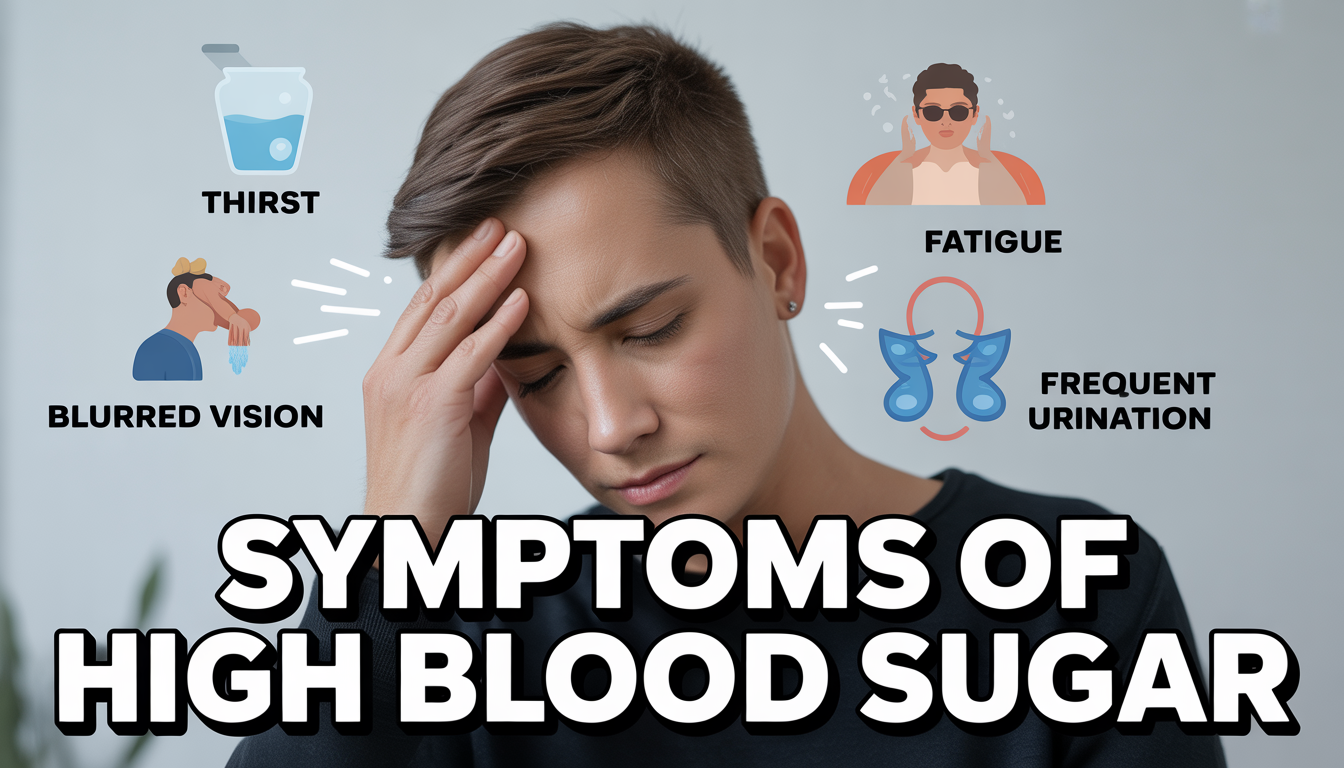
Learn the common symptoms of high blood sugar and early warning signs you should not ignore. Discover how to identify and manage glucose levels naturally.
Introduction
High blood sugar is a condition that often develops slowly — and many people don’t even realize they have it until it starts affecting their daily life.
Ignoring the early symptoms can lead to serious health problems over time.
The good news is that your body gives warning signs before things get worse.
Recognizing these symptoms early can help you take action and prevent complications.
In this guide, you’ll learn the most common symptoms of high blood sugar, why they happen, and what you can do about them.
7 Best Blood Sugar Supplements in 2026 (Ranked – What Actually Works?)
Contents
What is High Blood Sugar?
High blood sugar, also known as hyperglycemia, occurs when there is too much glucose in your bloodstream.
This can happen when your body does not produce enough insulin or cannot use it effectively.
“Many people struggling with unstable blood sugar are now using InsuLeaf to support better glucose control. You can check the official website here.”
Common Symptoms of High Blood Sugar
1. Frequent Thirst
One of the earliest signs is feeling unusually thirsty.
Your body tries to flush out excess sugar through urine, leading to dehydration.
2. Frequent Urination
Increased urination is directly linked to excess glucose in the bloodstream.
3. Fatigue
Even after eating, you may feel tired.
This happens because your body is not efficiently using glucose for energy.
4. Increased Hunger
Despite eating regularly, you may feel hungry more often.
5. Blurred Vision
High blood sugar can affect the lenses of your eyes, leading to temporary vision problems.
6. Unexplained Weight Loss
In some cases, the body starts breaking down fat and muscle for energy.
7. Difficulty Concentrating
Fluctuating glucose levels can impact brain function and focus.
8. Tingling or Numbness
Nerve-related symptoms may appear if blood sugar remains high for a long time.
9. Slow Healing
Cuts and wounds may take longer to heal.
10. Frequent Infections
High sugar levels can weaken your immune system.
Early vs Advanced Symptoms of high blood sugar
Early Symptoms:
- Thirst
- Fatigue
- Hunger
Advanced Symptoms:
- Vision problems
- Nerve issues
- Slow healing
👉 Early detection is key
Why These Symptoms Occur
High blood sugar disrupts normal body functions.
Cells are unable to absorb glucose effectively, leading to energy imbalance.
This causes multiple systems in your body to react.
When Should You Be Concerned?
If you notice multiple symptoms consistently, it’s important to take action.
👉 Don’t ignore:
- Persistent fatigue
- Frequent urination
- Blurred vision
How to Manage High Blood Sugar
✔ Improve Diet
Focus on low glycemic foods
✔ Stay Active
Exercise helps use glucose effectively
✔ Monitor Levels
Track your glucose regularly
✔ Stay Hydrated
Water helps regulate sugar levels
Supporting Your Health
Even after recognizing symptoms of high blood sugar, some individuals struggle to maintain stable levels.
In such cases, many people combine lifestyle changes with support options like InsuLeaf or Gluco6.
Real-Life Scenario
A person ignored early symptoms like fatigue and thirst.
Later, they experienced more serious issues.
After making lifestyle changes:
✔ Energy improved
✔ Sugar stabilized
FAQ Section
What are the first signs of high blood sugar?
Thirst, fatigue, and frequent urination
Can high blood sugar go unnoticed?
Yes, especially in early stages
Is fatigue a symptom?
Yes, due to poor energy utilization
Conclusion
Recognizing the symptoms of high blood sugar early can help you take control of your health before complications arise.
By paying attention to your body and making small lifestyle changes, you can manage your glucose levels effectively and improve your overall well-being.